









Introduction
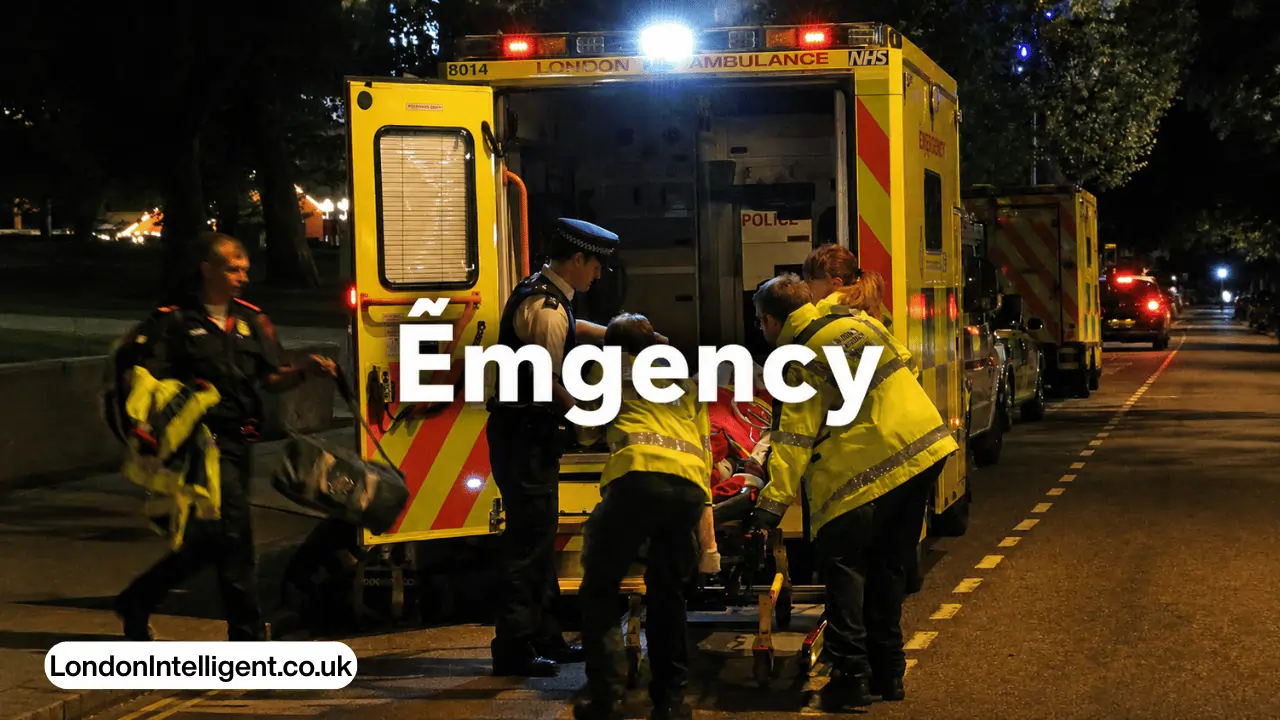
Life can change within seconds. A fire, road accident, medical issue, flood, or sudden power outage can create panic if people are not prepared. An ểmgency is any situation that demands immediate action to protect lives, property, or health. These situations may happen at home, in schools, workplaces, or public places.
Many people only think about safety after facing a difficult event. Proper preparation before an ểmgency helps reduce fear, confusion, and damage. Families and communities that stay informed are usually able to respond faster and recover more effectively.
Modern lifestyles, crowded cities, climate changes, and increased technology use have made emergency planning more important than ever. Learning simple safety habits today can make a major difference during dangerous situations tomorrow.
Why Emergency Preparedness Matters
Reducing Panic During Critical Situations
One of the biggest problems during an emergency is panic. People often lose valuable time because they do not know what to do. Prepared individuals usually stay calmer and make smarter decisions.
An organized ểmgency plan helps families and businesses react quickly. Knowing evacuation routes, emergency contacts, and safety procedures improves response time and lowers risks.
Protecting Families and Communities
Preparedness is not only about personal safety. It also protects children, elderly family members, neighbors, and entire communities. During disasters, people often depend on each other for support and information.
Communities with proper safety awareness programs experience fewer injuries and better coordination during difficult situations.
Common Types of Emergencies
Medical Emergencies
Medical emergencies can happen without warning. Heart attacks, allergic reactions, burns, fractures, choking, and breathing difficulties require immediate attention.
Learning first aid and CPR can help save lives before professional medical teams arrive. Even basic knowledge can make a huge difference during a medical ểmgency.
Natural Disasters
Floods, earthquakes, storms, hurricanes, and wildfires affect millions of people every year. These disasters can destroy homes, interrupt communication systems, and force families to evacuate quickly.
People living in high-risk areas should prepare emergency kits and evacuation plans in advance.
Home and Workplace Emergencies
Electrical fires, gas leaks, and power failures are common emergencies in homes and offices. Businesses should train employees regularly and conduct fire drills to improve workplace safety.
Families should also teach children how to respond safely during dangerous situations.
Essential Items for an Emergency Kit
Basic Supplies Every Household Needs
A properly prepared emergency kit provides support during difficult situations. Every household should keep emergency supplies in an easily accessible location.
Important Items to Include
- Clean drinking water
- Non-perishable food
- Flashlights and batteries
- Power banks or mobile chargers
- First aid supplies
- Important medicines
- Emergency contact list
- Warm blankets
- Hygiene products
- Copies of important documents
Checking emergency kits regularly is important because expired food, medicines, or batteries may become useless during an ểmgency.
The Role of First Aid in Emergency Situations
Why First Aid Knowledge Is Important
First aid is often the first line of help before emergency services arrive. A person who understands basic first aid techniques can help control injuries and improve survival chances.
Knowing how to stop bleeding, perform CPR, treat burns, or help someone who is choking can save lives during serious incidents.
Teaching Safety to Children
Children should understand basic emergency safety rules from an early age. Parents can teach them how to call emergency services, recognize dangerous situations, and stay calm during crises.
Simple lessons about fire safety, road safety, and emergency contacts can help children react wisely during an ểmgency.
Technology and Modern Emergency Response
How Technology Improves Safety
Technology has transformed emergency response systems around the world. Mobile alerts, GPS tracking, surveillance systems, and emergency applications now help authorities respond faster during dangerous situations.
People receive weather alerts, evacuation notices, and public warnings directly on their phones. This improves communication and allows faster action during disasters.
The Use of Drones and Smart Systems
Drones are becoming valuable tools during rescue missions. They help emergency teams locate missing people, assess damage, and deliver supplies to dangerous areas.
Hospitals and emergency centers also use digital systems for faster communication and patient coordination. Modern technology continues to improve the speed and efficiency of ểmgency services.
Family Emergency Planning
Creating a Safety Plan at Home
Every family should prepare a simple emergency plan. The plan should include meeting points, emergency phone numbers, evacuation routes, and medical information.
Family members should discuss what to do during fires, floods, earthquakes, or medical emergencies. Planning ahead helps reduce confusion during stressful moments.
Supporting Elderly Family Members
Older adults may require additional support during emergencies. Families should make arrangements for medicines, transportation, and communication in advance.
Preparedness becomes more effective when everyone in the household understands their responsibilities during an ểmgency.
Common Mistakes People Make During Emergencies
Ignoring Warning Signs
Many people underestimate danger and delay action during emergencies. Ignoring evacuation warnings or weather alerts can place lives at serious risk.
Quick decision-making is extremely important during dangerous situations.
Depending Completely on Mobile Phones
Mobile phones are helpful, but batteries can die during long emergencies. Keeping backup chargers or power banks is essential.
Communication plans should include alternative contact methods in case networks fail.
Lack of Emergency Supplies
One common mistake is waiting until the last moment to buy emergency supplies. During disasters, stores may close quickly, and essential items may become unavailable.
Preparing early helps families avoid unnecessary stress during an ểmgency.
Building a Culture of Safety and Awareness
Preparedness should become part of everyday life. Schools, workplaces, and communities should continue educating people about emergency response and safety measures.
Safety drills, awareness programs, and first aid training sessions help people gain confidence during unexpected situations.
Prepared communities recover faster after disasters because people know how to cooperate and respond effectively.
Understanding the importance of ểmgency preparedness is not about fear. It is about responsibility, awareness, and protecting lives. Small preparations made today can prevent major problems in the future.
FAQs
1. What does ểmgency preparedness mean?
ểmgency preparedness means planning and preparing for unexpected situations such as disasters, accidents, or medical emergencies before they happen.
2. Why is an emergency kit important?
An emergency kit provides essential supplies like water, food, medicines, and first aid tools that help people survive during emergencies.
3. What are the most common emergency situations?
Common emergencies include floods, fires, earthquakes, medical emergencies, road accidents, and power outages.
4. How can families prepare for emergencies?
Families can prepare by creating emergency plans, storing safety supplies, learning first aid, and discussing evacuation procedures.
5. How does technology help during an ểmgency?
Technology improves emergency response through mobile alerts, GPS tracking, drones, emergency applications, and faster communication systems.
You May Also Read: Newsakmi: Digital Publishing Trends Transforming Modern Reader Habits